AI-driven supply chains use artificial intelligence technologies such as machine learning, data analytics, computer vision, and predictive modeling to improve how goods are planned, produced, stored, and delivered. These systems analyze large volumes of data in real time to support smarter decisions across procurement, inventory management, transportation, warehousing, and demand forecasting.
AI-driven supply chains exist because traditional logistics models struggle to keep up with global complexity, fluctuating demand, disruptions, and cost pressures. Artificial intelligence helps organizations move from reactive operations to predictive, adaptive, and data-driven logistics networks.
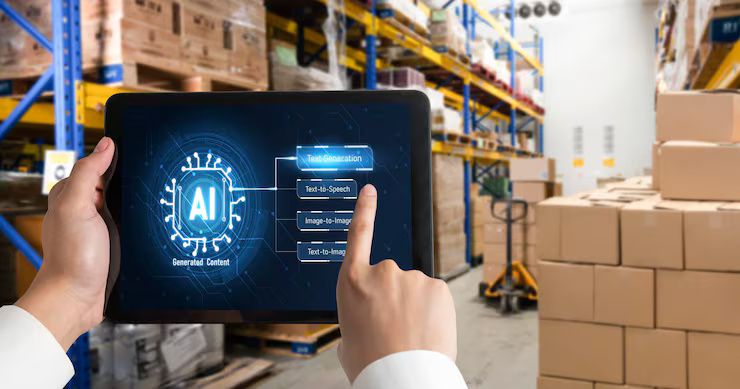
Context: What an AI-Driven Supply Chain Is and Why It Exists
A supply chain connects suppliers, manufacturers, distributors, and customers. Historically, supply chain decisions relied on manual planning, static forecasts, and limited data visibility. As global trade expanded and customer expectations increased, these methods became inefficient.
AI-driven supply chains exist to:
-
Analyze large and complex datasets quickly
-
Predict demand and supply fluctuations
-
Reduce operational inefficiencies
-
Improve decision-making accuracy
-
Enhance end-to-end visibility
Artificial intelligence enables logistics systems to learn from historical patterns, adjust to real-time changes, and continuously optimize operations.
Importance: Why AI-Driven Supply Chains Matter Today
In today’s global economy, supply chains face disruptions, rising costs, and increasing customer expectations for speed and reliability. AI helps address these challenges.
Key Reasons AI-Driven Supply Chains Are Important
1. Improved Demand Forecasting
AI models predict customer demand with greater accuracy.
2. Inventory Optimization
Reduces overstocking and stockouts through intelligent planning.
3. Faster Decision-Making
Real-time insights enable quick responses to disruptions.
4. Cost Efficiency
Optimized routes, inventory levels, and sourcing reduce expenses.
5. Supply Chain Resilience
AI identifies risks and recommends proactive mitigation strategies.
This topic is relevant to logistics managers, supply chain planners, manufacturers, retailers, technology leaders, and operations analysts.
Recent Updates: AI Supply Chain Trends (2024–2025)
AI adoption in supply chain and logistics continues to accelerate.
1. Generative AI for Planning
Used to simulate supply chain scenarios and optimize strategies.
2. Real-Time Visibility Platforms
AI integrates IoT and GPS data for live tracking of goods.
3. Autonomous Warehousing Systems
Robotics and AI improve picking, packing, and sorting efficiency.
4. Predictive Risk Management
AI models anticipate disruptions caused by weather, geopolitics, or demand spikes.
5. Sustainability Analytics
AI helps reduce emissions through route optimization and energy-efficient planning.
Laws & Policies Affecting AI-Driven Supply Chains
AI-driven supply chains must comply with technology, data, and trade regulations.
Key considerations include:
-
Data privacy and protection regulations
-
AI transparency and governance guidelines
-
Trade compliance and customs regulations
-
Labor and workplace safety laws
-
Environmental reporting standards
Responsible AI adoption ensures ethical use, compliance, and trust across supply chain networks.
How AI Is Used Across the Supply Chain
Artificial intelligence supports multiple stages of the supply chain lifecycle.
Demand Forecasting
Machine learning models analyze historical sales, seasonality, and market trends.
Procurement & Supplier Management
AI evaluates supplier performance, pricing trends, and risk indicators.
Inventory Management
Predictive analytics optimize stock levels and reorder points.
Warehouse Operations
AI-powered robotics and vision systems automate sorting and picking.
Transportation & Logistics
Route optimization algorithms reduce delivery times and fuel usage.
Customer Service
AI chatbots provide shipment updates and resolve inquiries.
Core Technologies Behind AI-Driven Supply Chains
-
Machine learning algorithms
-
Predictive analytics
-
Computer vision systems
-
Natural language processing
-
Internet of Things (IoT) sensors
-
Cloud-based data platforms
These technologies work together to create intelligent, adaptive logistics systems.
Table: AI Applications in Supply Chain Operations
| Supply Chain Area | AI Application | Primary Benefit |
|---|---|---|
| Demand Planning | Predictive analytics | Accurate forecasting |
| Inventory Control | Machine learning models | Reduced stock imbalance |
| Warehousing | Robotics & vision systems | Faster fulfillment |
| Transportation | Route optimization | Lower logistics costs |
| Risk Management | AI risk detection | Improved resilience |
Benefits of AI-Driven Supply Chain Systems
End-to-End Visibility
Unified data across suppliers, warehouses, and distribution points.
Operational Efficiency
Automation reduces manual tasks and errors.
Scalability
AI systems adapt as supply chain complexity increases.
Improved Customer Experience
Faster deliveries and accurate order fulfillment.
Sustainability Support
Reduced waste, emissions, and energy consumption.
Challenges in AI Supply Chain Adoption
While benefits are significant, adoption also presents challenges.
-
Data quality and integration issues
-
High initial implementation costs
-
Need for skilled workforce
-
Change management and training
-
Ethical and transparency concerns
Addressing these challenges is essential for successful AI deployment.
How to Get Started with AI in Supply Chain Management
Assess Data Readiness
Ensure access to clean, structured data.
Start with High-Impact Use Cases
Focus on forecasting, inventory, or logistics optimization.
Integrate with Existing Systems
AI works best when connected to ERP and SCM platforms.
Invest in Skills & Training
Enable teams to work with AI-driven tools.
Measure Performance
Track KPIs such as cost savings, service levels, and lead times.
Frequently Asked Questions
What is an AI-driven supply chain?
It uses artificial intelligence to optimize planning, execution, and decision-making.
Does AI replace human planners?
No, AI supports decision-making rather than replacing human expertise.
Is AI suitable for small supply chains?
Yes, scalable AI tools are available for businesses of all sizes.
How does AI improve logistics efficiency?
By optimizing routes, predicting demand, and automating operations.
Are AI-driven supply chains secure?
Security depends on data governance and compliance with regulations.
Conclusion
AI-driven supply chains represent a major shift in how logistics and operations are managed. By applying artificial intelligence to forecasting, inventory, warehousing, and transportation, organizations gain better visibility, resilience, and efficiency across their supply networks.
Understanding how AI transforms logistics, the technologies involved, benefits, and adoption challenges helps businesses prepare for smarter and more adaptive supply chain strategies. As digital transformation continues, AI-driven supply chains are becoming a critical foundation for competitive, resilient, and sustainable logistics operations.