Circuit protection refers to the methods, devices, and systems used to safeguard electrical circuits and equipment from damage caused by abnormal conditions such as overloads, short circuits, voltage spikes, ground faults, and electrical surges. These protective mechanisms are essential in preventing equipment failure, fire hazards, data loss, and personal injury across residential, commercial, and industrial environments.
As electrical systems become more complex—driven by automation, renewable energy integration, data centers, electric vehicles, and smart infrastructure—the importance of reliable circuit protection continues to grow. Circuit protection devices ensure safe power distribution, system stability, and regulatory compliance in modern electrical networks.
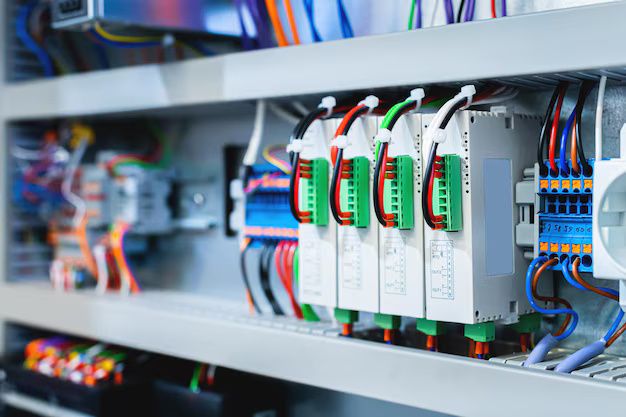
Context: Why Circuit Protection Exists and Its Role in Electrical Systems
Circuit protection exists because electrical energy, while essential, can be dangerous when uncontrolled. Excess current, faulty wiring, insulation failure, or sudden voltage changes can damage equipment and create serious safety risks.
Circuit protection systems were developed to:
-
Prevent electrical fires and overheating
-
Protect equipment from irreversible damage
-
Maintain system stability and uptime
-
Ensure safe operation for users and technicians
-
Isolate faults quickly and effectively
From early fuse-based designs to advanced electronic protection devices, circuit protection has evolved to support both low-voltage consumer electronics and high-power industrial systems.
Importance: Why Circuit Protection Matters Today
Circuit protection is a critical component of modern electrical safety and operational reliability.
Key Reasons Circuit Protection Is Important:
1. Electrical Safety
Protects people and property from fire, shock, and arc faults.
2. Equipment Protection
Prevents damage to motors, transformers, power supplies, and electronic devices.
3. Operational Continuity
Minimizes downtime by isolating faults quickly.
4. Regulatory Compliance
Meets national and international electrical safety standards.
5. Support for Advanced Technologies
Essential for EV charging systems, renewable energy, automation, and data centers.
Recent Updates: Circuit Protection Technology Trends (2024–2025)
Circuit protection technology continues to evolve in response to smarter grids, higher power density, and digital monitoring.
Smart Circuit Breakers
Integration of IoT sensors enables remote monitoring, diagnostics, and predictive maintenance.
Advanced Surge Protection Devices (SPDs)
Designed to handle high-energy transients caused by renewable energy systems and lightning events.
Arc Fault Detection Improvements
More accurate arc fault circuit interrupters (AFCIs) reduce fire risks in complex wiring systems.
Compact & High-Speed Protection Devices
Miniaturized fuses and breakers support space-constrained electronics and EV systems.
Energy-Efficient Protection Designs
Low-loss components reduce heat generation and improve system efficiency.
Laws & Safety Standards Governing Circuit Protection
Circuit protection devices must comply with strict safety and performance standards to ensure reliability.
Key standards and regulations include:
-
Electrical installation and wiring codes
-
Overcurrent and short-circuit protection requirements
-
Fire prevention and arc fault standards
-
Industrial machinery safety regulations
-
Grid and renewable energy compliance rules
Common international standards bodies include IEC, UL, IEEE, and regional electrical authorities. Compliance ensures safe operation, legal acceptance, and insurance eligibility.
Types of Circuit Protection Devices
Circuit protection devices are classified based on the type of fault they address.
Fuses
Simple devices that melt when current exceeds a safe limit, interrupting the circuit.
Circuit Breakers
Automatically switch off power during overloads or short circuits and can be reset.
Miniature Circuit Breakers (MCB)
Protect low-voltage circuits in residential and commercial buildings.
Molded Case Circuit Breakers (MCCB)
Handle higher current ratings for industrial and commercial systems.
Residual Current Devices (RCD / RCCB)
Detect leakage currents to prevent electric shock.
Ground Fault Circuit Interrupters (GFCI)
Protect against ground faults in wet or hazardous areas.
Arc Fault Circuit Interrupters (AFCI)
Detect arcing conditions that may cause electrical fires.
Surge Protection Devices (SPD)
Protect equipment from voltage spikes caused by lightning or switching events.
Thermal Overload Relays
Protect motors from overheating due to prolonged overloads.
Working Principle: How Circuit Protection Devices Operate
Circuit protection devices function by continuously monitoring electrical parameters.
-
Normal Operation – Current flows within safe limits.
-
Fault Detection – Device senses abnormal current, voltage, or leakage.
-
Interruption – Circuit is disconnected automatically.
-
Isolation – Faulty section is separated from the rest of the system.
-
Reset or Replacement – Breakers reset or fuses replaced after fault resolution.
Different devices use thermal, magnetic, electronic, or hybrid mechanisms to detect faults accurately.
Applications of Circuit Protection Across Industries
Circuit protection is essential across all sectors using electrical power.
Residential Buildings
Protect lighting, appliances, and wiring systems.
Commercial Facilities
Ensure safety in offices, malls, hospitals, and educational institutions.
Industrial Manufacturing
Protect motors, control panels, automation systems, and heavy machinery.
Power Generation & Distribution
Safeguard transformers, substations, and transmission systems.
Data Centers
Prevent downtime and protect sensitive IT equipment.
Renewable Energy Systems
Protect solar inverters, wind turbines, and battery storage.
Automotive & EV Infrastructure
Ensure safe charging and power management.
Table: Circuit Protection Devices and Their Purpose
| Device Type | Protection Function | Typical Application |
|---|---|---|
| Fuse | Overcurrent | Electronics, appliances |
| MCB | Overload & short circuit | Homes, offices |
| MCCB | High-current protection | Industrial panels |
| RCD / RCCB | Leakage current | Human safety |
| GFCI | Ground fault | Wet areas |
| AFCI | Arc fault | Fire prevention |
| SPD | Voltage surges | Electronics, grids |
| Thermal Relay | Motor overload | Industrial motors |
How to Choose the Right Circuit Protection Solution
Assess Electrical Load
Determine voltage, current, and power requirements.
Identify Risk Types
Overload, short circuit, surge, ground fault, or arc fault risks.
Check Environmental Conditions
Temperature, humidity, and dust affect device selection.
Ensure Compliance
Select devices certified under applicable standards.
Plan for Scalability
Systems should support future load expansion.
Consider Monitoring Needs
Smart protection devices enable real-time diagnostics.
Frequently Asked Questions
1. What is the difference between a fuse and a circuit breaker?
A fuse must be replaced after operation, while a circuit breaker can be reset.
2. Why is surge protection important?
It protects sensitive electronics from voltage spikes and lightning damage.
3. Are AFCIs mandatory?
In many regions, AFCIs are required in residential buildings for fire prevention.
4. Do circuit protection devices need maintenance?
Yes, regular inspection ensures reliability and compliance.
5. Can one device protect against all faults?
No, different devices address specific fault types; systems often use combinations.
Conclusion
Circuit protection is fundamental to electrical safety, system reliability, and regulatory compliance. From simple fuses to advanced smart breakers, these devices protect people, equipment, and infrastructure from electrical hazards.
As power systems grow more complex—with automation, renewable energy, and digital technologies—effective circuit protection becomes even more critical. Understanding types, working principles, applications, and safety standards allows engineers, facility managers, and system designers to implement robust, future-ready electrical protection solutions.