Industrial valves are mechanical devices used to regulate, control, and direct the flow of liquids, gases, or slurries within pipelines and processing systems. They are essential components in the oil & gas, chemical, petrochemical, water treatment, power generation, and manufacturing industries.
Valves exist because industrial processes require precise flow control, pressure management, safety regulation, and shutdown capability. Without valves, systems cannot operate safely or efficiently, especially when handling high pressure, high temperature, or hazardous fluids.
Importance – Why Industrial Valves Matter in Modern Industries
Industrial valves directly impact:
-
Operational Safety: Prevent overpressure, leakages, and unsafe flow conditions.
-
Process Efficiency: Support accurate flow rates for smooth production.
-
Environmental Protection: Reduce emissions, contamination, and water loss.
-
Equipment Longevity: Maintain safe pressure to protect pumps, compressors, and pipelines.
In industries like oil, gas, and water management, valves play a central role in isolation, flow control, backflow prevention, pressure reduction, and emergency shutdowns.
Recent Updates – Advancements in Valve Technology (2023–2024)
Modern industrial valves are evolving with innovations that boost safety, automation, and sustainability:
1. Smart & Automated Valves
Integration with IoT sensors, SCADA systems, and remote monitoring enables real-time data on flow rate, valve position, pressure, and vibration.
2. Low-Emission (LE) Designs
Improved packing materials and sealing technologies reduce fugitive emissions, especially in refineries and chemical plants.
3. Corrosion-Resistant Materials
Advanced alloys, stainless steel grades, and polymer linings are used to handle corrosive chemicals and seawater applications.
4. Fire-Safe Certified Valves
Common in oil & gas environments to ensure operational integrity during fire exposure.
5. Energy-Efficient Actuation
Electric and pneumatic actuators now consume less energy and offer faster response times.
Laws or Policies – Key Standards and Regulations
Industrial valves must comply with safety, material, and performance standards. Important regulations include:
-
API Standards (API 600, API 602, API 6D) – Widely used in oil & gas valves.
-
ASME B16 Standards – Cover pressure ratings, flanges, and dimensions.
-
ISO 5208 & ISO 10497 – Leakage testing and fire-safe testing.
-
AWWA Standards – Specify valves for water and wastewater applications.
-
PED (Pressure Equipment Directive) – European compliance for pressure systems.
These standards ensure valves meet safety, durability, and performance requirements across industries.
Types of Industrial Valves
Industrial valves come in several designs—each suited to specific flow control needs.
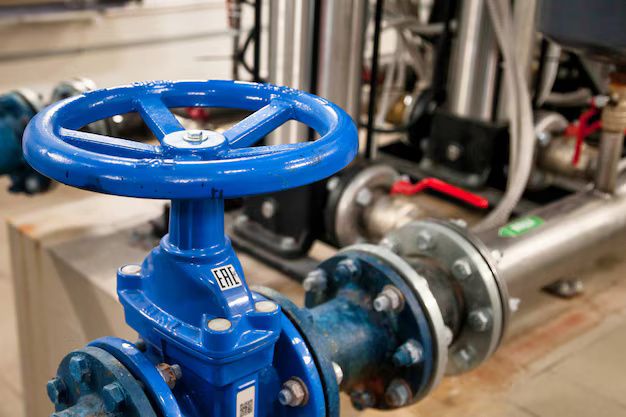
1. Gate Valves
Purpose: Fully open or fully closed flow.
Characteristics:
-
Minimal flow resistance
-
Not ideal for throttling
-
Common in large pipelines
Uses:
Oil pipelines, water distribution, sewage lines, refineries.
2. Globe Valves
Purpose: Precise flow regulation.
Characteristics:
-
High accuracy in throttling
-
Higher pressure drop compared to gate valves
Uses:
Chemical dosing, steam lines, cooling water control.
3. Ball Valves
Purpose: Quick shut-off with low torque.
Characteristics:
-
90-degree rotation
-
Tight sealing
-
Available in 1-piece, 2-piece, and 3-piece designs
Uses:
Natural gas lines, oil processing, chemical systems, high-pressure applications.
4. Butterfly Valves
Purpose: Simple flow isolation or modulation.
Characteristics:
-
Lightweight
-
Cost-efficient
-
Suitable for large diameter pipelines
Uses:
Water treatment plants, HVAC systems, irrigation, food processing.
5. Check Valves
Purpose: Prevent backflow.
Characteristics:
-
Automatically operate based on fluid direction
-
No manual control needed
Uses:
Pump systems, wastewater management, compressed air lines.
6. Pressure Relief Valves (PRVs)
Purpose: Protect equipment from overpressure.
Characteristics:
-
Opens automatically when pressure rises
-
Essential for safety
Uses:
Boilers, chemical reactors, LPG tanks, gas pipelines.
7. Diaphragm Valves
Purpose: Handle corrosive or abrasive fluids.
Characteristics:
-
Flexible diaphragm isolates fluid from mechanical parts
-
Excellent for contamination-sensitive systems
Uses:
Pharmaceuticals, water treatment, food processing, acid lines.
8. Plug Valves
Purpose: Quick shut-off and diversion.
Characteristics:
-
Simple rotary movement
-
Good for slurries and viscous fluids
Uses:
Chemical plants, petroleum pipelines, wastewater systems.
Applications – Oil, Gas & Water Industries
Oil Industry
Valves in the oil sector manage high pressure, high temperature, and flammable fluids.
Common applications:
-
Wellheads and drilling rigs
-
Crude oil pipelines
-
Refineries
-
Storage tank isolation
-
Emergency shutdown systems
Preferred valves:
Ball valves, gate valves, plug valves, check valves, pressure relief valves.
Gas Industry
Gas systems require tight sealing, leak-proof operation, and safety-certified valves.
Common applications:
-
Natural gas distribution
-
LNG processing
-
Compressor stations
-
Gas-fired power plants
-
Pressure reduction systems
Preferred valves:
Ball valves, globe valves, relief valves, butterfly valves, automated control valves.
Water & Wastewater Industry
Water systems focus on reliability, corrosion resistance, and low maintenance.
Common applications:
-
Municipal water supply networks
-
Irrigation systems
-
Desalination plants
-
Sewage treatment
-
Sludge handling
Preferred valves:
Gate valves, butterfly valves, check valves, diaphragm valves.
How to Select the Right Industrial Valve
Choosing the right valve depends on several operational conditions:
1. Fluid Type
-
Clean water → gate, butterfly
-
Corrosive fluids → diaphragm, lined plug valves
-
Oil & hydrocarbons → ball, gate, plug
-
Gas → ball, relief, globe
2. Pressure & Temperature
High-pressure lines require:
-
Ball valves
-
Globe valves
-
API-certified gate valves
Low-pressure, large-diameter pipelines use:
-
Butterfly valves
-
Knife-gate valves
3. Operation Method
-
Manual – Handwheel, lever
-
Automatic – Pneumatic, electric, or hydraulic actuation
-
Remote-controlled – SCADA/PLC-based monitoring
4. Line Size & Flow Needed
-
Small pipelines → ball or globe valves
-
Medium → gate or plug valves
-
Large pipelines → butterfly valves
5. Maintenance Requirements
Industries with limited downtime prefer:
-
3-piece ball valves
-
Lug-type butterfly valves
-
Modular designs
Tools and Resources for Valve Selection
Here are helpful platforms for engineers, maintenance teams, and operators:
-
Valve Sizing Calculators
-
API & ASME Standards Libraries
-
Pipeline Pressure Drop Tools
-
SCADA & IoT Monitoring Dashboards
-
Material Compatibility Charts
-
Water Flow Simulation Software
-
Online Valve Selection Guides
These tools support accurate evaluation and long-term system performance.
FAQs
1. What is the most common valve in water supply?
Gate valves and butterfly valves are widely used for municipal water networks.
2. Which valve gives the best leak-proof sealing?
Ball valves provide tight, reliable shut-off for oil, gas, and chemical systems.
3. Are globe valves good for flow control?
Yes, they are ideal for precise regulation and throttling of fluids.
4. How often should industrial valves be inspected?
Most industries perform routine checks monthly and full maintenance annually.
5. What standards apply to oil & gas valves?
API 600, API 6D, ISO 5208, and ASME B16 series.
Conclusion
Industrial valves are essential components supporting safe, controlled, and efficient flow across oil, gas, and water industries. Understanding the types, functions, applications, and selection criteria helps engineers and operators choose the most suitable valve for their system requirements.
From gate valves to automated ball valves and pressure relief systems, each design serves a specific purpose that contributes to operational stability, environmental safety, and long-term performance. As industries adopt automation, digital monitoring, and low-emission technologies, industrial valves continue to evolve into smarter, more durable, and highly efficient flow-control solutions.