Panchakarma therapies are structured detoxification and rejuvenation treatments rooted in traditional Ayurvedic medicine. The term “Panchakarma” translates to “five actions,” referring to five core therapeutic procedures designed to eliminate toxins (ama) from the body and restore internal balance.
In Ayurveda, health is defined as harmony between the three doshas—Vata, Pitta, and Kapha—along with proper digestion, mental clarity, and balanced lifestyle habits. Over time, improper diet, stress, environmental exposure, and irregular routines can disrupt this balance. Panchakarma was developed as a systematic cleansing process to remove accumulated impurities and support holistic healing.
Today, Panchakarma therapies are practiced in Ayurvedic wellness centers, integrative health clinics, and traditional retreat facilities across India and globally.
Importance: Why Panchakarma Therapies Matter
Panchakarma focuses on preventive care and long-term wellness rather than temporary symptom management. Its goal is to reset the body’s internal systems and promote sustainable health.
1. Deep Detoxification
Helps remove metabolic waste and accumulated toxins from tissues.
2. Dosha Balancing
Restores equilibrium among Vata, Pitta, and Kapha energies.
3. Digestive System Support
Improves metabolism and nutrient absorption.
4. Stress and Mental Clarity
Encourages relaxation and emotional balance.
5. Immune System Strengthening
Supports overall resilience and vitality.
Panchakarma is often recommended during seasonal transitions or when individuals experience fatigue, digestive imbalance, or stress-related concerns.
Phases of the Panchakarma Process
The Panchakarma detox program is divided into three structured stages: preparation, elimination, and recovery.
1. Purva Karma (Preparation Phase)
This stage prepares the body for detoxification.
-
Internal oleation using medicated ghee
-
External oil massage (Abhyanga)
-
Herbal steam therapy (Swedana)
The goal is to mobilize toxins from tissues into the digestive tract for elimination.
2. Pradhana Karma (Main Detox Therapies)
These are the five principal cleansing procedures tailored to an individual’s constitution.
Vamana (Therapeutic Emesis)
Controlled elimination through the upper digestive tract, primarily for Kapha imbalance.
Virechana (Purgation Therapy)
Herbal-based cleansing through the lower digestive tract, often recommended for Pitta imbalance.
Basti (Medicated Enema Therapy)
Cleanses and nourishes the colon; commonly used for Vata imbalance.
Nasya (Nasal Therapy)
Administration of herbal oils or powders through nasal passages to support sinus and head health.
Raktamokshana (Blood Cleansing)
Traditional purification method used in specific therapeutic contexts.
3. Paschat Karma (Post-Therapy Care)
This stage ensures gradual recovery and stabilization.
-
Light, easily digestible Ayurvedic diet
-
Herbal supplementation
-
Lifestyle guidance for sustained balance
Supportive Ayurvedic Therapies
In addition to the five core procedures, supportive therapies enhance detox effectiveness.
1. Abhyanga (Herbal Oil Massage)
Improves circulation and supports relaxation.
2. Shirodhara
Warm herbal oil gently poured on the forehead to calm the nervous system.
3. Udvartana
Herbal powder massage that stimulates metabolism.
4. Pizhichil
Warm oil bath therapy for musculoskeletal balance.
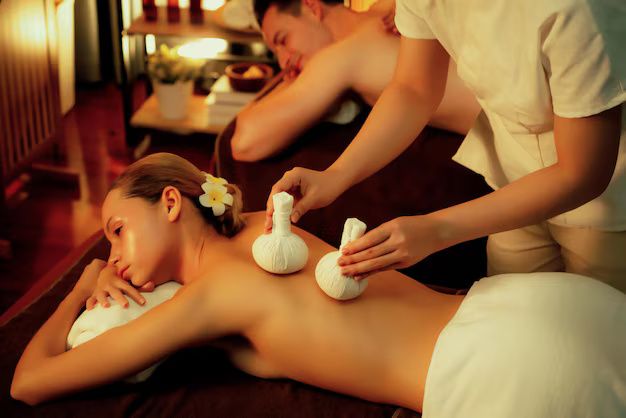
5. Kizhi (Herbal Poultice Therapy)
Applies heated herbal bundles to relieve tension.
Panchakarma Procedures and Focus Areas
| Therapy | Primary Function | Dosha Focus |
|---|---|---|
| Vamana | Upper digestive detox | Kapha |
| Virechana | Intestinal cleansing | Pitta |
| Basti | Colon purification | Vata |
| Nasya | Sinus and head cleansing | Kapha & Vata |
| Raktamokshana | Blood purification | Pitta |
Materials Used in Panchakarma Therapies
Therapies rely on natural and plant-based preparations.
1. Medicated Herbal Oils
Infused with Ayurvedic herbs for therapeutic action.
2. Clarified Butter (Ghee)
Used for internal oleation.
3. Herbal Decoctions
Prepared for cleansing and nourishment.
4. Herbal Powders
Applied in massage therapies.
5. Steam Chambers
Support detox through herbal vapor therapy.
Benefits of Panchakarma Detox Programs
Panchakarma aims to support long-term wellness through systemic cleansing.
1. Improved Digestive Health
Enhances gut function and metabolism.
2. Enhanced Mental Well-being
Promotes emotional balance and clarity.
3. Increased Energy Levels
Reduces fatigue associated with toxin accumulation.
4. Hormonal Balance Support
Encourages internal equilibrium.
5. Skin and Tissue Rejuvenation
Improves overall vitality.
Challenges & Considerations
Panchakarma requires careful supervision and commitment.
1. Professional Assessment Required
Individual constitution must be evaluated before treatment.
2. Time Commitment
Programs may range from several days to multiple weeks.
3. Dietary Discipline
Strict dietary guidelines are followed during therapy.
4. Gradual Recovery Phase
Post-treatment care is essential.
5. Not Suitable for All Conditions
Medical consultation is important before beginning therapy.
Maintenance & Lifestyle Practices After Panchakarma
Sustaining benefits depends on balanced daily habits.
1. Seasonal Cleansing
Align detox with seasonal transitions.
2. Constitution-Based Diet
Follow dosha-specific nutrition.
3. Daily Self-Massage
Supports circulation and relaxation.
4. Mind-Body Practices
Incorporate yoga and meditation.
5. Regular Ayurvedic Consultation
Monitor long-term wellness progress.
Frequently Asked Questions
What is Panchakarma therapy?
It is a structured Ayurvedic detox and rejuvenation process involving five main cleansing procedures.
How long does a Panchakarma program last?
Programs typically range from 7 to 21 days depending on individual needs.
Is Panchakarma safe?
When conducted under trained Ayurvedic supervision, it follows established traditional guidelines.
Who can consider Panchakarma?
Individuals seeking holistic detox, stress relief, or digestive balance may consider it after professional consultation.
Does Panchakarma involve dietary changes?
Yes, a specific Ayurvedic diet is followed before, during, and after therapy.
Conclusion
Panchakarma therapies represent a comprehensive Ayurvedic detox and holistic healing system designed to restore balance and promote long-term wellness. Through preparation, elimination, and recovery phases, the process aims to cleanse accumulated toxins and support internal harmony.
When practiced under qualified supervision, Panchakarma continues to serve as an important component of traditional Ayurvedic healthcare, emphasizing prevention, rejuvenation, and sustainable well-being.