Conveyor systems are mechanical material-handling solutions used to transport goods, raw materials, and finished products from one location to another within industrial, commercial, and logistics environments. These systems play a vital role in manufacturing plants, warehouses, distribution centers, airports, and mining operations by enabling continuous and organized movement of materials.
Conveyor systems exist to improve operational efficiency, reduce manual labor, minimize handling errors, and support large-scale production processes. As industries move toward automation and smart manufacturing, conveyors have become essential components of modern industrial infrastructure.
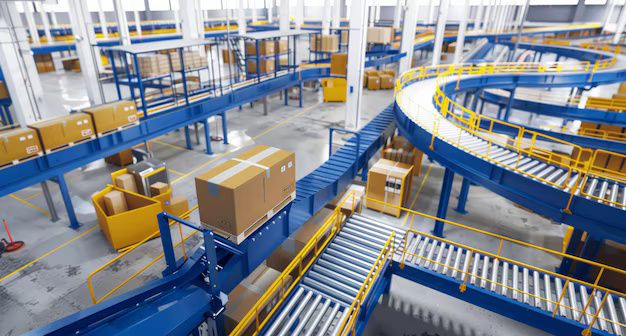
Context: What Conveyor Systems Are and Why They Exist
In early industrial environments, materials were moved manually using carts, pulleys, and human labor. This approach was time-consuming, costly, and prone to errors. With increasing production volumes and complex workflows, industries required faster and more reliable transportation systems.
Conveyor systems exist to:
-
Automate material movement
-
Improve production flow
-
Reduce workplace injuries
-
Increase operational speed
-
Support large-scale manufacturing
Today, conveyor systems are integrated with robotics, sensors, and control software to support intelligent production lines.
Importance: Why Conveyor Systems Matter Today
Conveyor systems are central to modern industrial productivity and supply chain efficiency.
Key Reasons Conveyor Systems Are Important
1. Increased Productivity
Enables continuous material flow without interruptions.
2. Reduced Labor Dependency
Minimizes manual handling requirements.
3. Improved Workplace Safety
Reduces lifting-related injuries.
4. Cost Efficiency
Lowers long-term operational expenses.
5. Consistent Quality Control
Supports uniform handling of products.
This topic is relevant to plant managers, industrial engineers, warehouse operators, logistics planners, automation specialists, and manufacturing consultants.
Recent Updates: Conveyor System Trends (2024–2025)
Conveyor technology continues to evolve with digital and automation advancements.
Smart Conveyor Systems
Sensors and AI for real-time monitoring.
Energy-Efficient Drives
Low-power motors and variable frequency drives.
Modular Conveyor Designs
Flexible systems for quick expansion.
IoT Integration
Remote diagnostics and predictive maintenance.
Hybrid Automation Systems
Conveyors combined with robots and AGVs.
Sustainable Materials
Eco-friendly belts and components.
Laws & Policies Affecting Conveyor Systems
Conveyor installation and operation are regulated by industrial safety and workplace standards.
Key considerations include:
-
Occupational safety regulations
-
Machinery safety standards
-
Electrical installation codes
-
Fire and emergency exit requirements
-
Environmental compliance rules
Following regulations ensures worker safety and system reliability.
Types of Conveyor Systems
Conveyor systems are classified based on structure, movement method, and application.
Belt Conveyors
Use continuous belts for transporting bulk and packaged materials.
Roller Conveyors
Use rotating rollers for moving cartons and pallets.
Chain Conveyors
Use chains for heavy-duty material handling.
Screw Conveyors
Move powder and granular materials.
Pneumatic Conveyors
Use air pressure to transport lightweight materials.
Overhead Conveyors
Suspended systems used in assembly and painting lines.
Magnetic Conveyors
Move ferrous materials using magnetic force.
How Conveyor Systems Work
Conveyor systems operate through coordinated mechanical and electrical components.
-
Motors generate rotational energy
-
Power is transferred through drives and pulleys
-
Belts, rollers, or chains move materials
-
Sensors regulate speed and positioning
-
Control panels manage system operation
-
Safety devices monitor overloads and faults
Automation systems adjust conveyor speed and direction based on production requirements.
Core Components of Conveyor Systems
Conveyor systems consist of multiple integrated parts.
1. Drive Unit
Includes motors and gearboxes.
2. Conveyor Belt or Rollers
Primary material transport surface.
3. Frame Structure
Supports system stability.
4. Bearings and Pulleys
Enable smooth rotation.
5. Control System
Manages operation and safety.
6. Sensors and Switches
Monitor movement and load.
7. Safety Guards
Protect workers from moving parts.
Materials Used in Conveyor Manufacturing
Material selection impacts durability and performance.
Steel and Stainless Steel
Used for frames and rollers.
Rubber and PVC Belts
Used for flexible transport surfaces.
Aluminum
Used in lightweight systems.
Plastic and Polymer Components
Used in food and pharmaceutical industries.
Special Coatings
Improve wear and corrosion resistance.
Table: Conveyor Types and Industrial Applications
| Conveyor Type | Primary Material | Common Application |
|---|---|---|
| Belt Conveyor | Rubber/PVC | Manufacturing plants |
| Roller Conveyor | Steel/Aluminum | Warehouses |
| Chain Conveyor | Steel | Heavy industries |
| Screw Conveyor | Metal alloy | Chemical processing |
| Pneumatic Conveyor | Pipes & air systems | Food and powder handling |
Industrial Applications of Conveyor Systems
Conveyors are used across many sectors.
Manufacturing Plants
Assembly lines and packaging units.
Warehousing & Logistics
Sorting and distribution centers.
Mining and Quarrying
Bulk material transportation.
Food Processing
Hygienic product handling.
Automotive Industry
Vehicle assembly and painting.
Airports
Baggage handling systems.
Pharmaceutical Industry
Controlled material movement.
Benefits of Modern Conveyor Systems
High Operational Efficiency
Supports continuous production.
Improved Workflow Management
Reduces bottlenecks.
Lower Handling Errors
Ensures consistent material transfer.
Scalability
Easy system expansion.
Reduced Downtime
Predictive maintenance improves uptime.
Challenges & Considerations
Despite their advantages, conveyor systems require careful planning.
-
High initial installation cost
-
Maintenance requirements
-
Space limitations
-
Power consumption
-
System customization complexity
Proper system design helps overcome these challenges.
How to Choose the Right Conveyor System
Analyze Material Type
Weight, size, and fragility.
Evaluate Production Volume
Daily and peak capacity.
Assess Layout and Space
Available floor area.
Select Suitable Drive System
Energy efficiency and reliability.
Check Safety Compliance
Meet regulatory standards.
Review After-Sales Support
Maintenance and spare parts availability.
Maintenance & Best Practices
-
Regular belt and roller inspection
-
Lubrication of moving parts
-
Alignment and tension checks
-
Cleaning and debris removal
-
Sensor calibration
-
Annual professional servicing
Preventive maintenance extends system lifespan.
Frequently Asked Questions
1. What is the most common conveyor type?
Belt conveyors are the most widely used.
2. Can conveyor systems be automated?
Yes, most modern conveyors support automation.
3. How long do conveyor systems last?
With proper maintenance, 15–25 years or more.
4. Are conveyors suitable for small businesses?
Yes, modular systems support small-scale operations.
5. Do conveyors improve workplace safety?
Yes, they reduce manual lifting and handling risks.
Conclusion
Conveyor systems are fundamental to modern industrial operations, enabling efficient, safe, and continuous movement of materials. From manufacturing and warehousing to mining and food processing, conveyors support productivity and workflow optimization.
Understanding types, working principles, applications, regulations, and maintenance practices helps organizations select and manage conveyor systems effectively. As automation and smart manufacturing continue to expand, conveyor systems will remain central to efficient and sustainable industrial operations.