Bioreactors are controlled systems or vessels designed to support biological reactions involving microorganisms, plant cells, or animal cells under regulated environmental conditions. These systems are widely used in biotechnology, pharmaceutical manufacturing, biofuel production, and research laboratories to cultivate cells and produce biologically derived products.
A bioreactor provides optimal conditions such as temperature, pH, oxygen levels, nutrient supply, and agitation to promote cellular growth and metabolic activity. As biotechnology industries expanded globally, advanced bioreactor systems became essential for scalable production of vaccines, monoclonal antibodies, enzymes, and fermentation-based products.
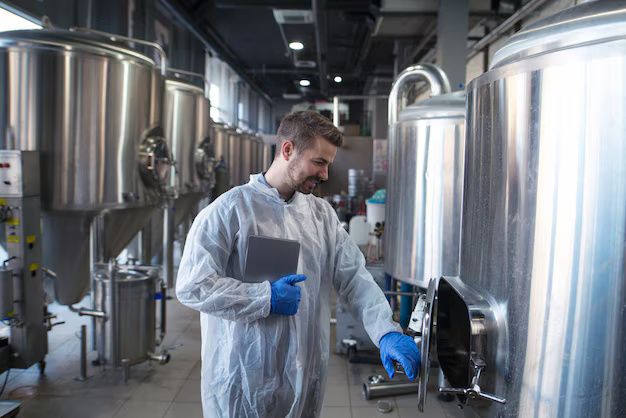
Modern industrial bioreactors integrate automation, digital monitoring systems, and sterile design to ensure high productivity and regulatory compliance.
Importance: Why Bioreactors Matter in Biotechnology
Bioreactors play a central role in transforming laboratory-scale biological processes into large-scale industrial production.
1. Controlled Biological Environment
Maintains stable temperature, pH, and oxygen levels.
2. Scalable Production Capability
Supports transition from pilot-scale to commercial manufacturing.
3. Enhanced Product Consistency
Ensures reproducible biological output under standardized conditions.
4. Pharmaceutical and Vaccine Manufacturing
Critical for producing therapeutic proteins and vaccines.
5. Sustainable Bio-Based Production
Used in biofuel and enzyme manufacturing processes.
Industries that rely heavily on bioreactor technology include biopharmaceutical companies, agricultural biotech firms, food biotechnology producers, and research institutions.
Working Principle of Bioreactors
Bioreactors function by maintaining optimal growth conditions for biological cultures within a closed system.
1. Sterile Vessel Preparation
The reactor vessel is sterilized before culture introduction.
2. Inoculation
Microorganisms or cells are introduced into the growth medium.
3. Nutrient Supply
Culture medium provides essential nutrients.
4. Aeration and Oxygen Transfer
Air or oxygen is supplied to support aerobic metabolism.
5. Agitation and Mixing
Mechanical or pneumatic mixing ensures uniform conditions.
6. Monitoring and Control
Sensors continuously measure pH, temperature, and dissolved oxygen.
7. Product Harvesting
Biomass or desired product is extracted after growth cycle completion.
This controlled environment maximizes yield while preventing contamination.
Main Types of Bioreactors
Different designs are used depending on biological requirements and industrial applications.
1. Stirred Tank Bioreactor
Most common design using mechanical impellers for mixing.
2. Airlift Bioreactor
Uses air bubbles for circulation and mixing.
3. Bubble Column Bioreactor
Relies on gas injection without mechanical agitation.
4. Packed Bed Bioreactor
Contains immobilized cells attached to solid supports.
5. Fluidized Bed Bioreactor
Suspends solid particles within upward-flowing fluid.
6. Membrane Bioreactor
Combines filtration membranes with biological treatment.
7. Photobioreactor
Uses light exposure for algae or photosynthetic cultures.
8. Single-Use Bioreactor
Disposable system used in biopharmaceutical production.
Bioreactor Types and Applications
| Bioreactor Type | Mixing Method | Common Application |
|---|---|---|
| Stirred Tank | Mechanical agitation | Vaccine production |
| Airlift | Gas circulation | Cell culture |
| Bubble Column | Gas injection | Fermentation |
| Packed Bed | Immobilized media | Enzyme production |
| Photobioreactor | Light exposure | Algae cultivation |
Industrial and Advanced Biotech Applications
Bioreactors are essential in several advanced technology sectors.
1. Biopharmaceutical Manufacturing
Production of monoclonal antibodies and therapeutic proteins.
2. Vaccine Development
Large-scale cell culture systems for immunization products.
3. Industrial Fermentation
Production of ethanol, antibiotics, and enzymes.
4. Tissue Engineering
Cultivation of cells for regenerative medicine.
5. Agricultural Biotechnology
Microbial inoculant production.
6. Wastewater Treatment
Biological degradation of contaminants.
Materials Used in Bioreactor Construction
Material selection ensures sterility and durability.
1. Stainless Steel
Common in large-scale industrial systems.
2. Borosilicate Glass
Used in laboratory-scale bioreactors.
3. Single-Use Polymer Bags
Applied in disposable systems.
4. Silicone Seals
Provide contamination-resistant closures.
5. High-Precision Sensors
Monitor environmental parameters.
Benefits of Bioreactor Systems
Modern bioreactors offer significant industrial advantages.
1. High Yield Efficiency
Optimizes biological production output.
2. Controlled Process Parameters
Improves reproducibility and quality.
3. Scalable Design
Suitable for both research and commercial use.
4. Automation Integration
Digital systems enhance precision monitoring.
5. Reduced Contamination Risk
Closed systems protect cultures.
Challenges & Considerations
Bioreactor operation requires technical expertise and strict control.
1. Contamination Control
Sterile conditions must be maintained.
2. Oxygen Transfer Limitations
Efficient aeration is critical in aerobic systems.
3. Heat Management
Biological reactions generate heat requiring cooling systems.
4. High Capital Investment
Industrial-scale reactors involve significant infrastructure.
5. Regulatory Compliance
Biopharmaceutical production must meet global standards.
Maintenance & Best Practices
Routine monitoring ensures consistent bioprocess performance.
1. Regular Sterilization Procedures
Prevents microbial contamination.
2. Sensor Calibration
Maintains accurate parameter measurement.
3. Agitator Inspection
Ensures effective mixing.
4. Validation of Control Systems
Verifies operational accuracy.
5. Preventive Maintenance Planning
Reduces downtime.
Frequently Asked Questions
What is a bioreactor?
A bioreactor is a controlled vessel used to grow biological cultures under regulated conditions.
Where are bioreactors used?
They are used in biotechnology, pharmaceutical production, biofuel manufacturing, and wastewater treatment.
What is the most common type of bioreactor?
The stirred tank bioreactor is widely used in industrial applications.
Are bioreactors automated?
Modern systems include advanced digital monitoring and automated control features.
How long do industrial bioreactors operate efficiently?
With proper maintenance, systems can function effectively for 15–25 years.
Conclusion
Bioreactors are fundamental components of modern biotechnology and industrial bioprocessing. By providing a controlled environment for biological growth, these systems enable scalable production of pharmaceuticals, biofuels, enzymes, and advanced biotech products.
As biotechnology continues to evolve, bioreactor design and automation technologies will play a central role in improving efficiency, safety, and sustainable production worldwide